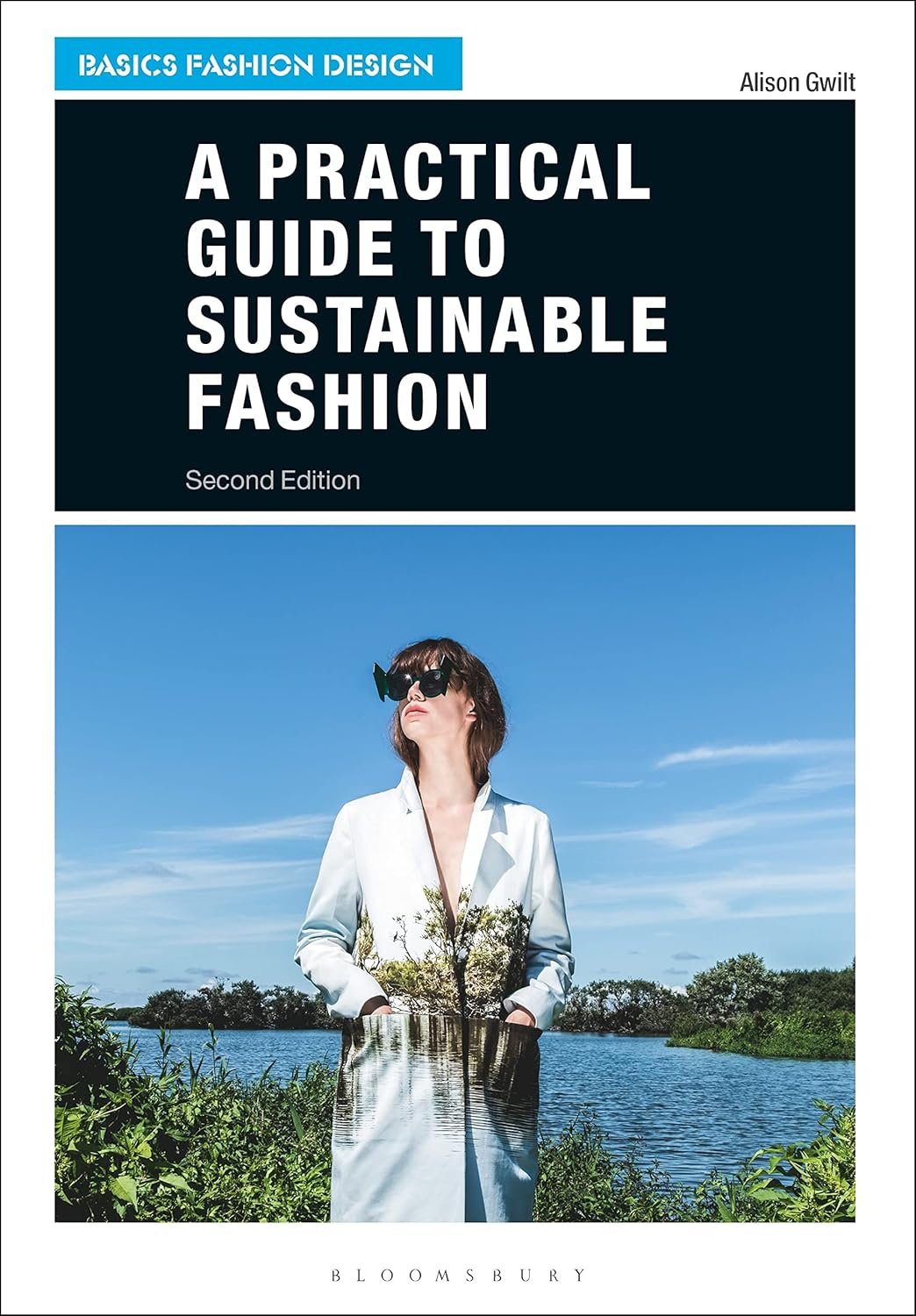
Essential Guide Sustaable Fashion Design

Original price was: $35.95.Current price is: $28.89.

Buy Now


※ As an Amazon Associate, we earn from qualifying purchases.
https://m.media-amazon.com/images/I/81KPNzhRk+L._SL1500_.jpg,https://m.media-amazon.com/images/I/91LPjvO1OuL._SL1500_.jpg,https://m.media-amazon.com/images/I/81CQsAPLaBL._SL1500_.jpg,https://m.media-amazon.com/images/I/91lrRGg4AnL._SL1500_.jpg


A Practical Guide to Sustainable Fashion (Basics Fashion Design)

Brand:
Rating: ★ 4.5
Category: Books > Arts & Photography > Graphic Design > Commercial > Fashion Design
ASIN: 1350067040

Price:
$28.89

Recommended products for you. View More
📋Detailed Specifications

Recommended products for you. View More
Customer Reviews
Reviewer: Aayush
Rating: 5.0 out of 5 stars
Title: Amazing
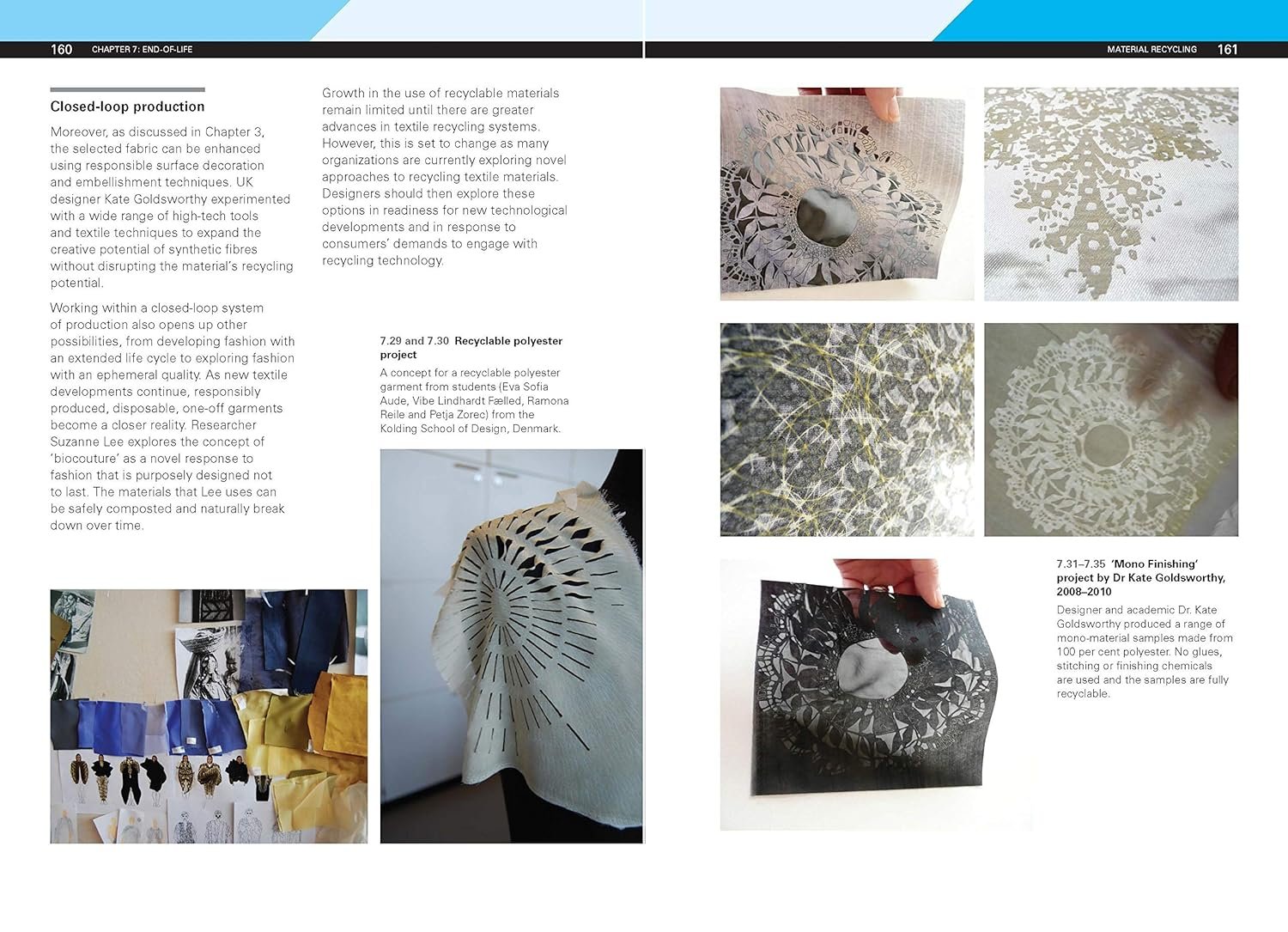
Review: Alison Gwilt is an Associate Professor in Design at the University of New South Wales, Sydney, Australia. With a degree in fashion and textiles from Central Saint Martins in London, and a PhD from RMIT University, Melbourne, Alison lectures in Fashion and textiles in The UK, New Zealand and Australia. She is also a Senior Adviser to the not-for-profit organization Redress (Hong Kong) (Gwilt, 2020). Her writing style is really academic and explains each topic in great detail.The book – A Practical Guide to Sustainable Fashion is published by Bloomsbury which on their website says :Packed with examples from groundbreaking designers such as Vivienne Westwood, Stella McCartney, Edun and People Tree, A Practical Guide to Sustainable Fashion is a much- needed overview of current models of fashion design and production. Alison Gwilt introduces the key issues associated with the production, use and disposal of fashion clothing and gives step-by-step guidance on how to identify and evaluate the potential impacts of a garment during the design process. With innovative examples of best practice from international designers and brands, the chapters follow each key stage in the life cycle of a fashion garment and explores approaches such as low-impact textiles techniques, mono- materiality, zero waste techniques, upcycling, repair and maintenance techniques and closed- loop design systems. (Bloomsbury)The book starts by the chapter of rethinking fashion design and talks about topics such as but not limited to: The supply chain, The role of a fashion design, consumption of fashion design etc. It also talks about a few companies which implemented a number of sustainable strategies across areas of design and production. Some of those brands and personalities are Marks and Spencer (UK), Patagonia (USA), Terra Plana (UK), Nike (USA), Stella McCartney and Katherine Hamnett. Then it goes about talking about circular economy, and how The Ellen MacArthur Foundation has been a central figure in driving research and innovation in Circular Economy. It also explains about the three main principles of The Circular Economy – Design out waste and pollution; Keep Products and materials in use; and regenerate natural systems. It also talks about the Circular Design Guide which was created by The Foundation in collaboration with IDEO to be a useful resource to the designers.It also talks about the future of fashion and sustainable fashion and the three pillars of sustainability : Society, The Environment and Culture as it is defined by United Nations Environmental Program (UNEP). And it also talks about Greenwashing which she explains, is a Term used to describe the false or Overexaggerated environmental claims of a company or product. It also talks about how we as consumers should find a fashion label which reusing, remanufacturing, or upcycling textile waste to produce clothes; using cleaner or more efficient materials, techniques and processes in production; and developing garments and/or services that prolong the life of garments. One of the amazing parts of this book is that after each chapter, the writer gives a small exercise to the readers which could be anything from creating a Mood-board to do a small research about sustainable brands and designers. In chapter 2, Gwilt talks about the activities and impacts of the supply chain and also defines them, which are The design, Distribution, Production, Use and lastly The End-of-Life. The other aspect of the book which I personally like is the writer has a lot of diagrams, flow charts, statistics and photos for a visual learner. Then the book goes into the detail of some industry tools and models such as but not limited to The EcoMetrics/ Calculator, The Kering Environmental Profit and Loss tool and Lastly The Higgs Index. In chapter 3, the book talks about design and also how designers select fabrics, materials and techniques. It also spotlights on using Mono-Materials which she explains is a fabric of a single fiber type in garment’s production. Which gives the garment a much better chance at recycling.In the latter half of the book, it talks about some creative approaches to pattern cutting and using geometric shapes such as polygon. It also talks about Construction: Construction Methods, Developments in construction techniques and a spotlight on how to design on Longevity. The writer also interviews Zoltan Csaki, Citizen Wolf. Who talks about Citizen Wolf’s journey and ethical supply chains as well as the wider intersection of Fashion and Technology. The book also talks about one of my favorite designers — Iris Van Herpen and how they use Rapid prototyping technology to print garments which results in no waste. CSR Policy which is a method for setting out the standards, aims and goals to which a company adheres. Gwilt also Describes Ethical fashion and fair trade fashion.and then she also interviews Lizzie Harrison who is The founder of The UK Fashion company Antiform, which was established in 2007 and produces fashion clothing from recycled and locally sourced materials found in The Yorkshire Region. Gwilt talked to her about how her workshops and brand is helping and contributing to Sustainable practices. Some of the best practices that this book defines, explains and talks about are the spotlight on Designing form need, Designing for inclusive fashion and reducing laundering. It also talks about Perc free methods for dry cleaning. And The safer choice by USA EPA, which describes Safer Choice by saying, “Safer Choice helps consumers, businesses, and purchasers find products that perform and contain ingredients that are safer for human health and the environment. Safer Choice is an EPA Pollution Prevention (P2) program, which includes practices that reduce, eliminate, or prevent pollution at its source, such as using safer ingredients in products.” (EPA).In Chapter 6, Gwilt talks about Repair and maintenance and how in the history, before the Second World War the clothes were routinely repaired however today it is unlikely that clothing repair is a regular activity in the home. In the last chapter, Chapter 7, It talks about End-of-Life and it starts by saying that hopefully, the day is coming when in reality we will have no ‘End-of-Life’ but as William McDonough put it, a ‘Next Use’ (Prindiville). Then it spotlights on Upcycling. Which Gwilt Describes :‘Upcycling’ is a term that is used to describe the technique of upgrading and adding value to a product or material that may otherwise be discarded. Rather than recycling, which can result in a downgrading and reduction in value of a material or product, upcycling aims to increase the worth and value of a material while prolonging its life. The technique can be applied in the design and manufacture of anew garment or can be used to refurbish or remanufacture an existing garment. Gwilt also interviews Cynthia Power who is the Director of Renew at Eileen Fisher. In Cynthia’s words, “I am so inspired to work growing a business that sells no new clothes. We have enough of just about everything on the planet already — let’s use what’s already made (2019). The last spotlight is on Closed-Loop Production which she describes is the process of consistently reusing a material without allowing it to enter the waste stream. She explains it in great detail andalso refers to Chapter 2 and 3.She ends the body of the book by saying, “To close, I leave the Final thought to VivienneWestwood, a creative icon to many fashion designers : “Buy less, Choose well, Make it last”.”(Be Quality).In the end, to conclude. I would say that I love this book because it not only elucidates the topics, terms for sustainable fashion in great detail and also tells how to design sustainably, it is also Packed with illustrated examples from groundbreaking designers like Stella McCartney and Christopher Raeburn. There are also interviews with international designers and brands such as Nudie jeans and Eileen Fisher as I talked about it earlier. But also in the end, it has a glossary for all the different terms used in the books and a wide glossary for online resources, student resources and tells about different organizations in different parts of the world. I would highly recommend this book to all the readers and especially to all the students, people in The fashion and design industry!
Reviewer: peerielouise
Rating: 5.0 out of 5 stars
Title:
Review: Bought this book to help with my degree. Great information to help with my essay and detailed diagrams and pictures.

×